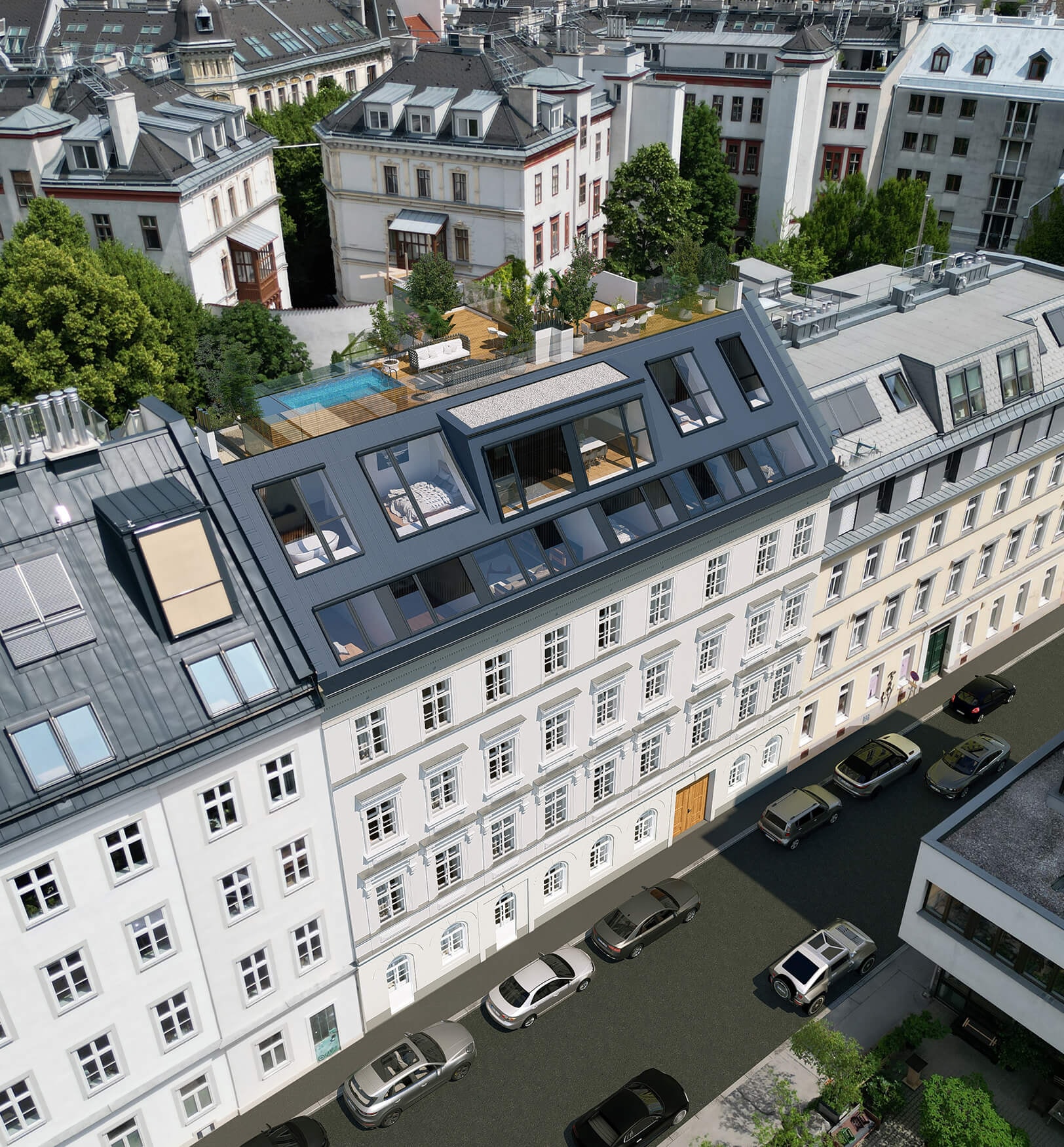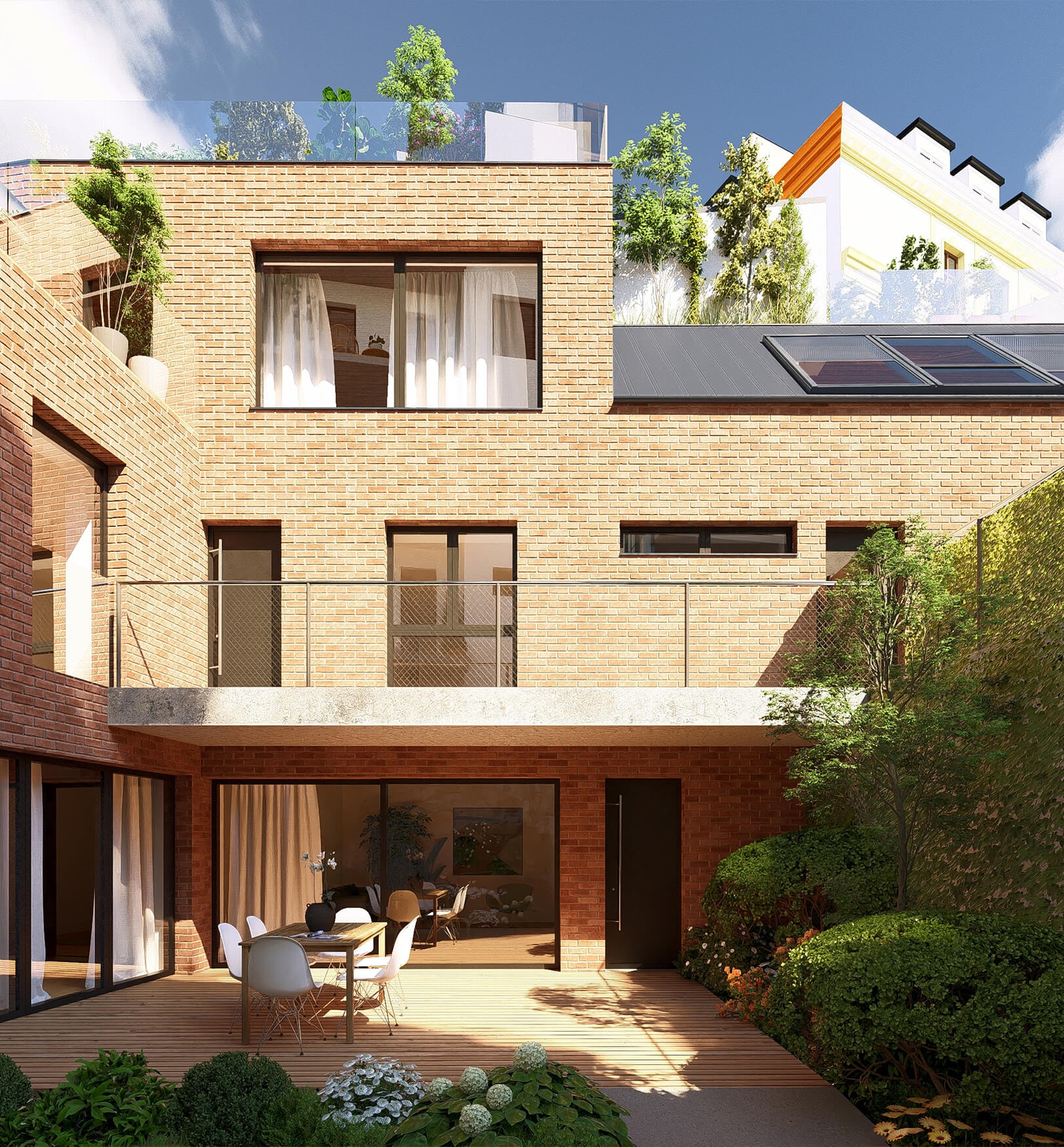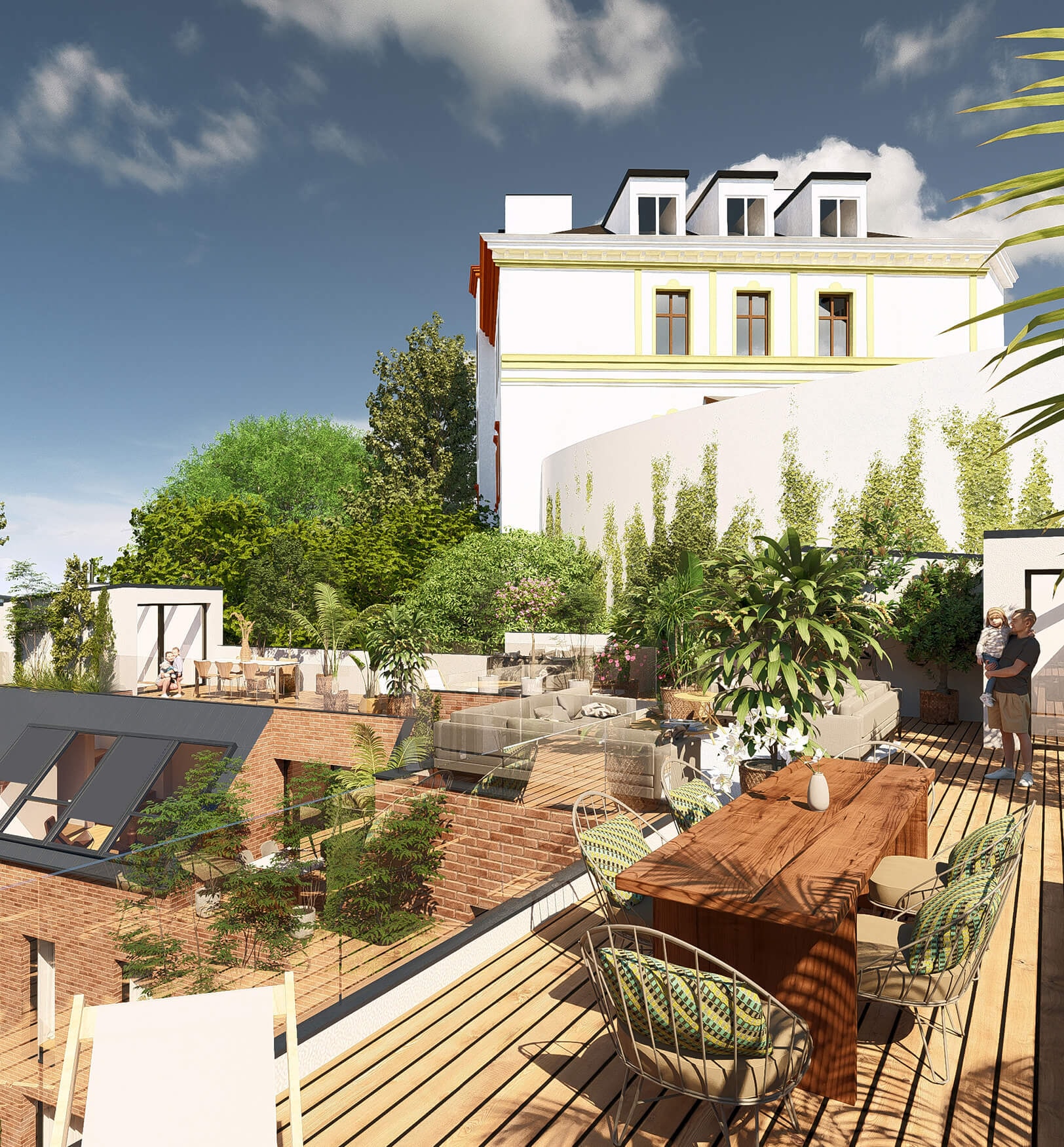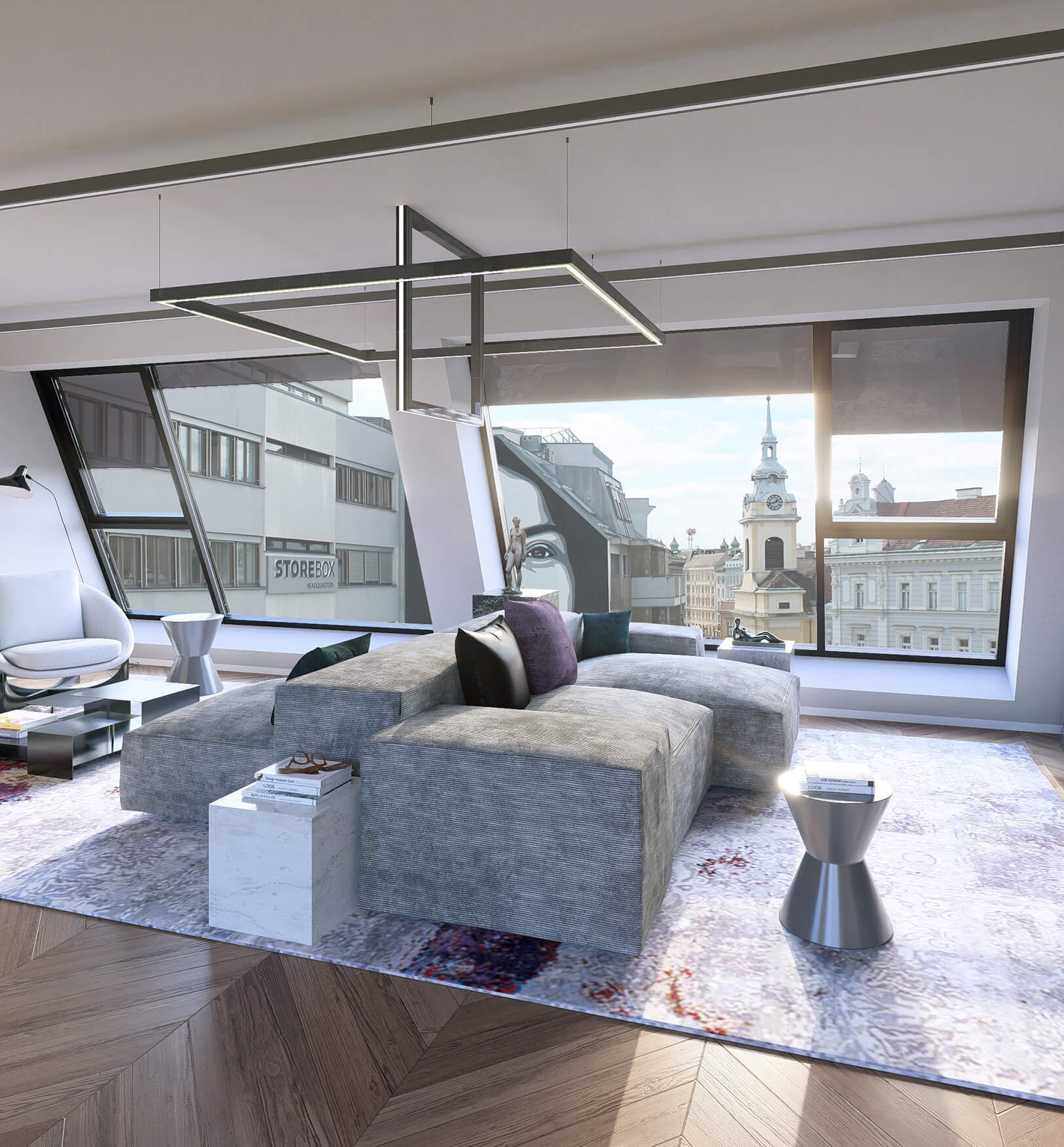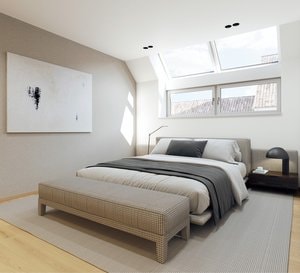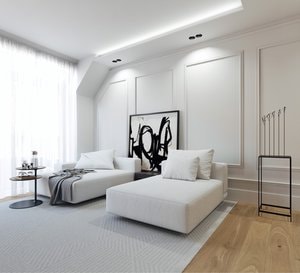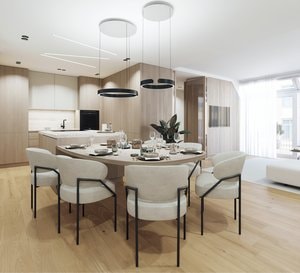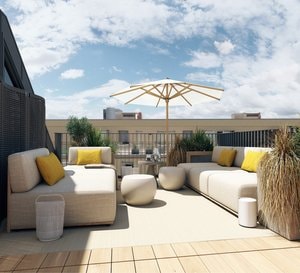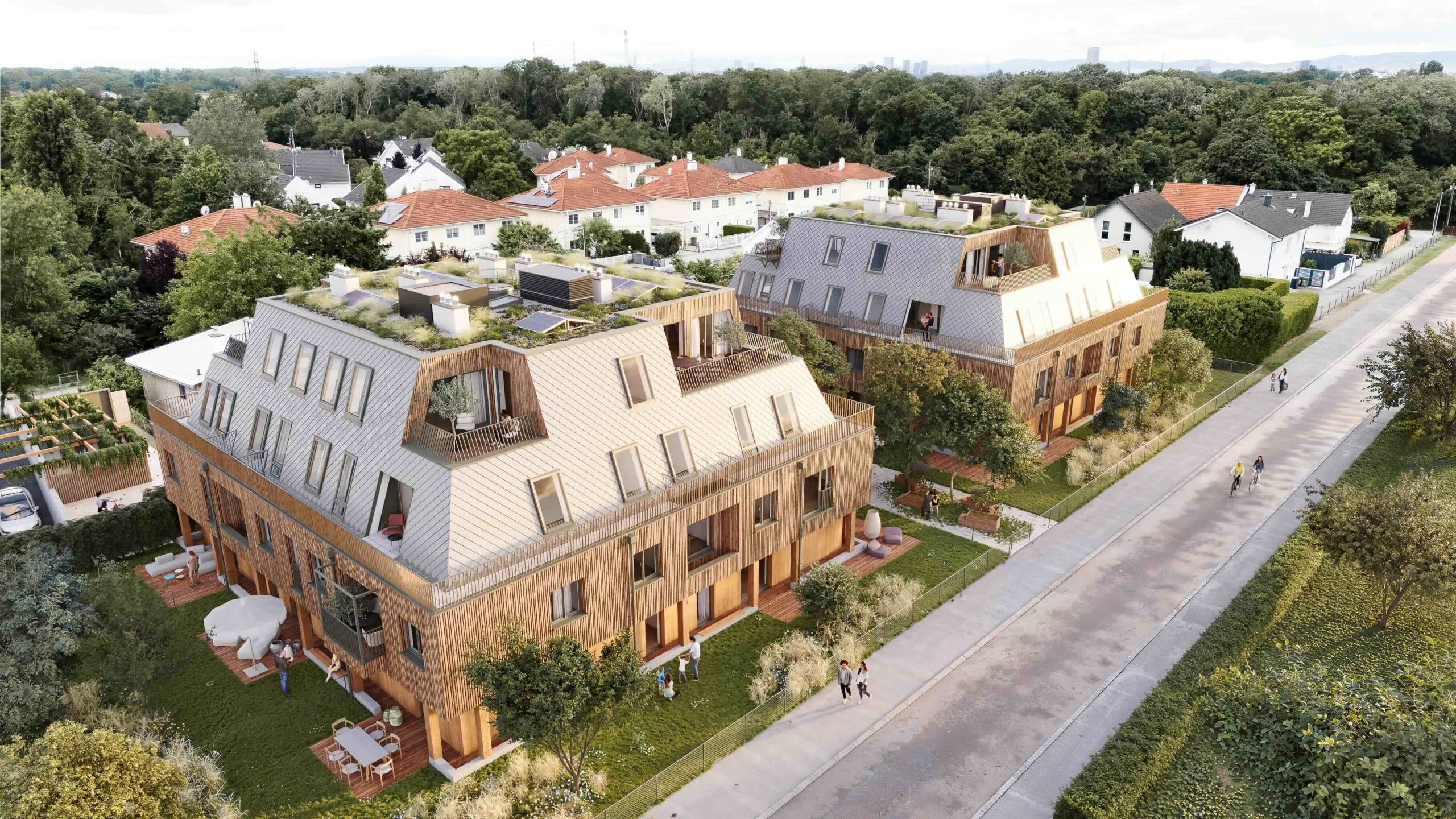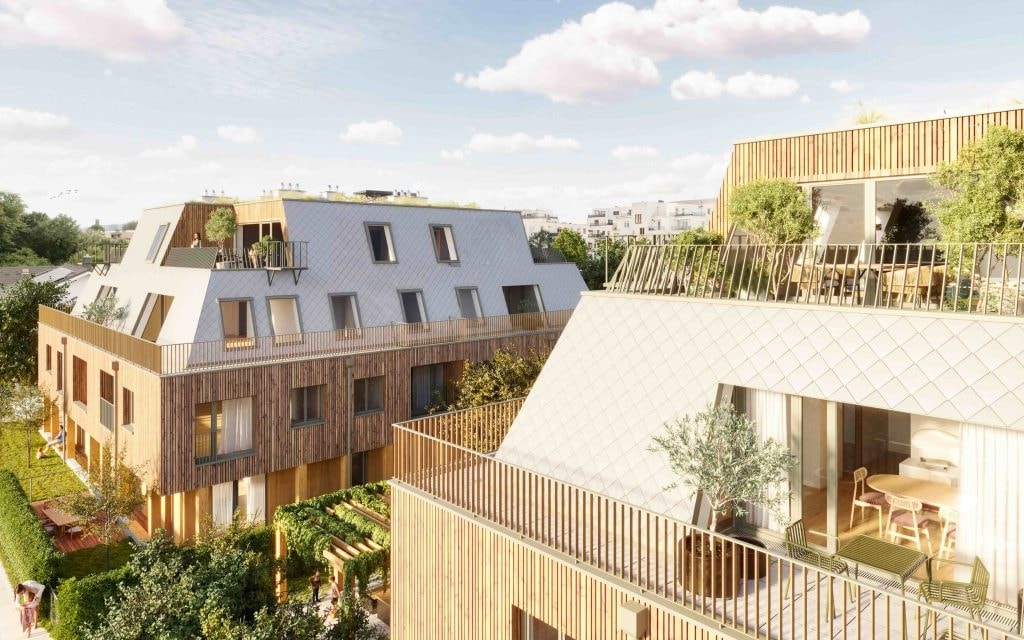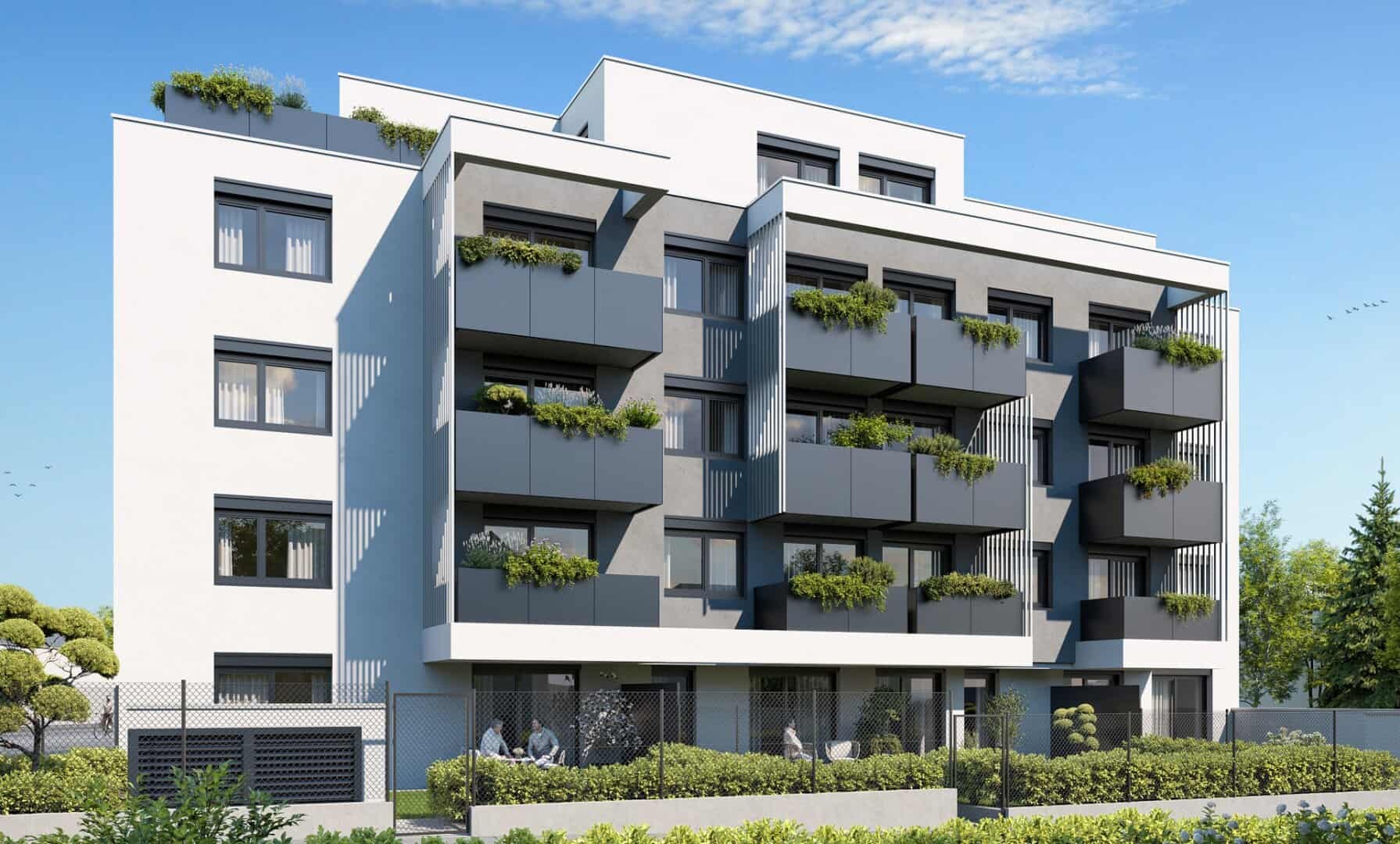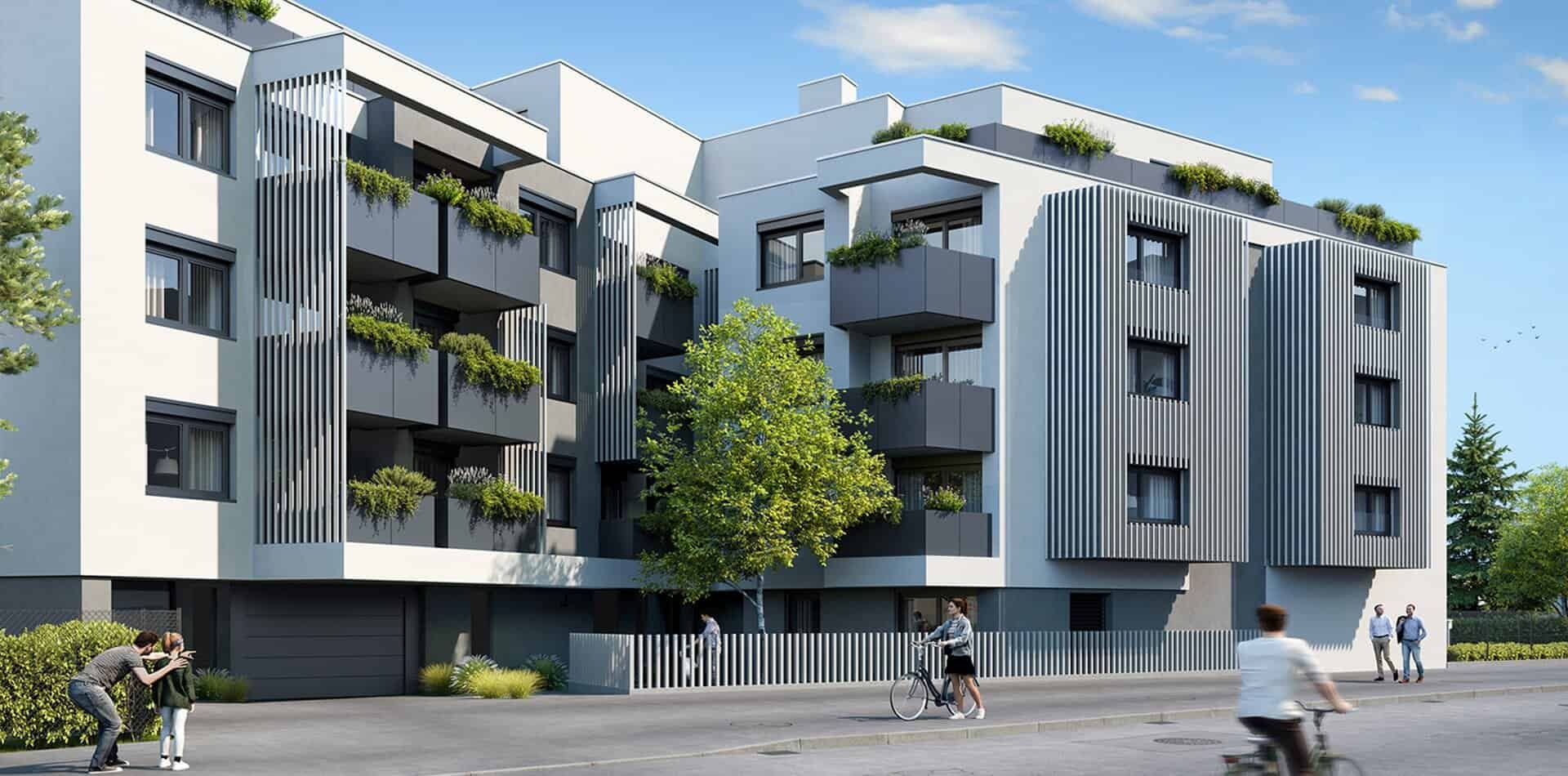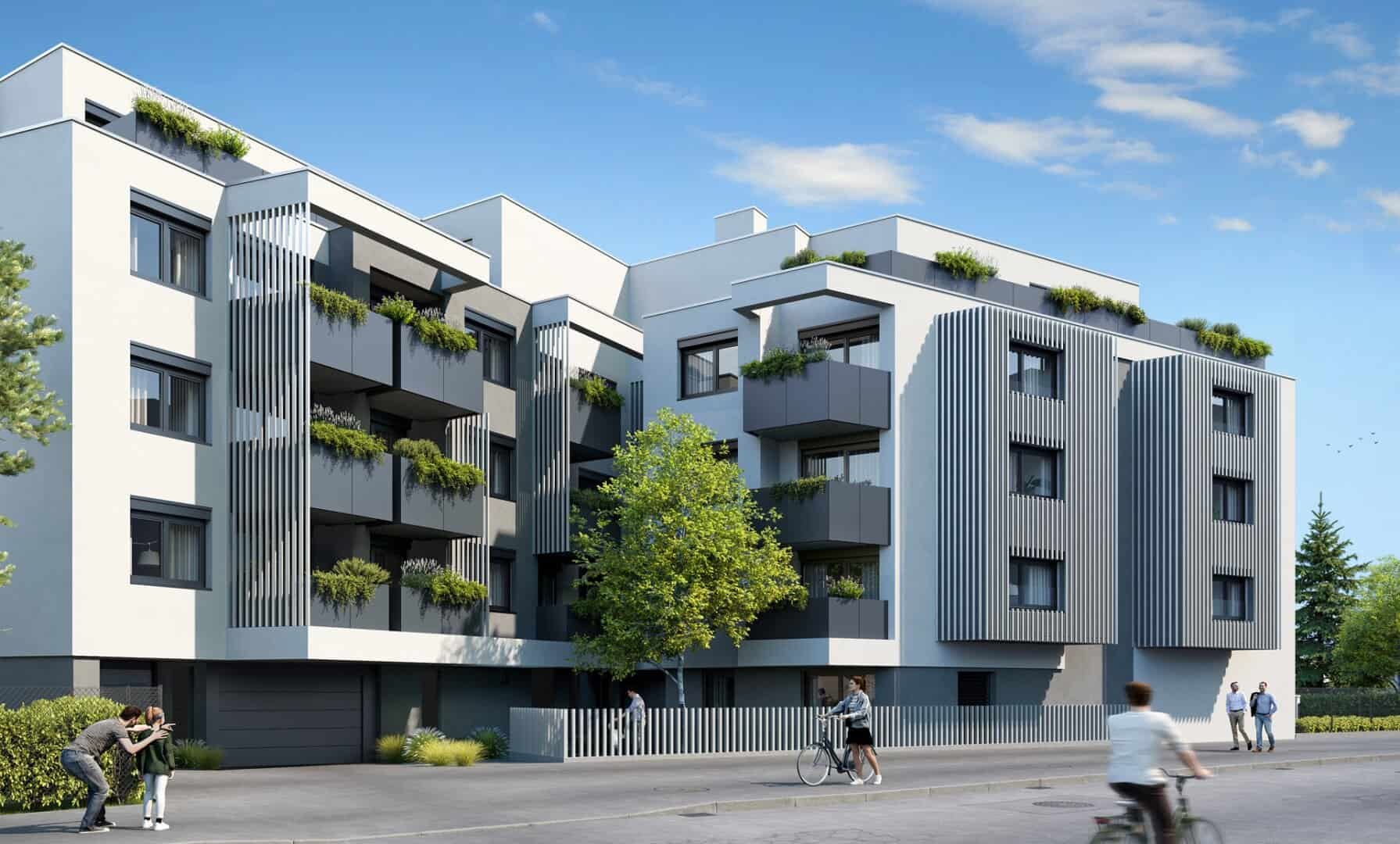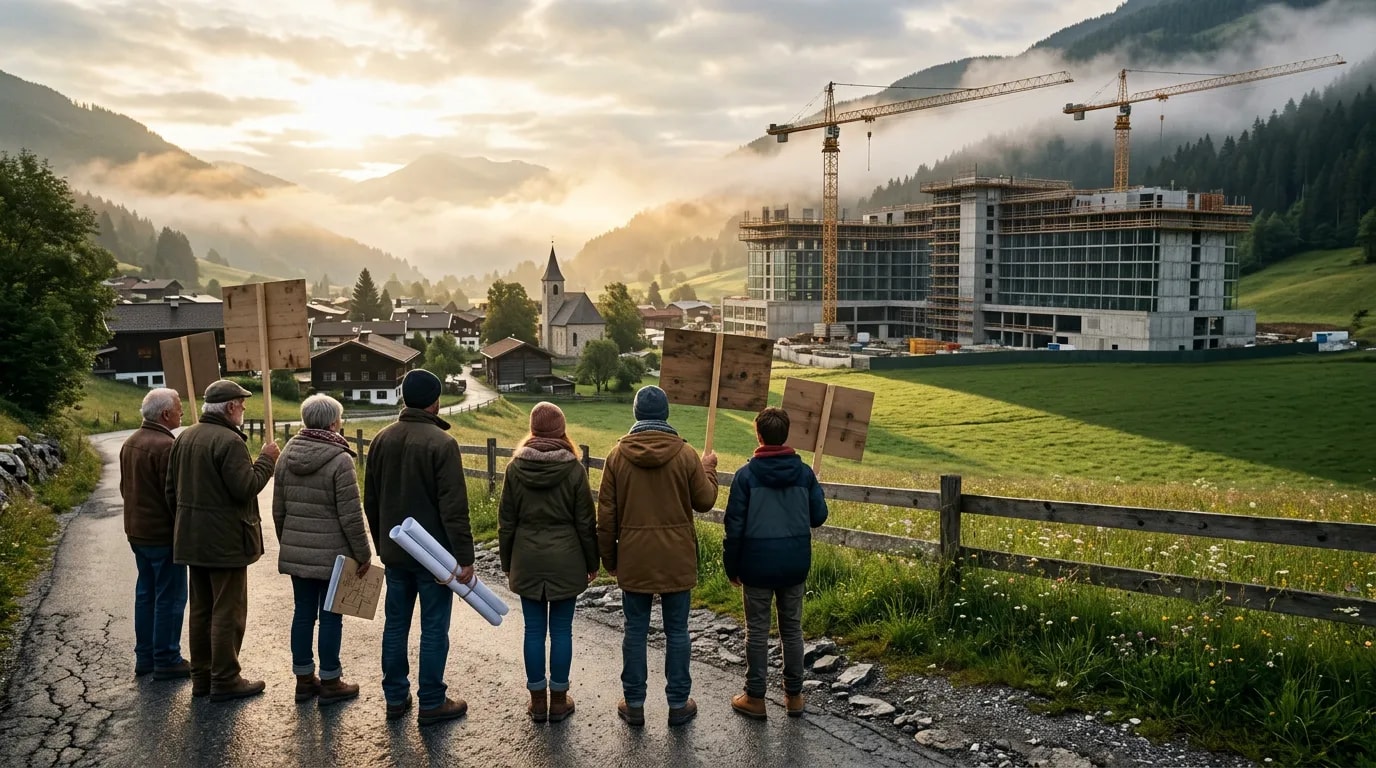
In the Salzburg municipality of Viehhofen, massive resistance is forming against a planned apartment hotel with 400 beds, which could fundamentally change the village structure merkur.de. The project is based on a so-called "buy-to-let" model, in which investors purchase residential units, a practice increasingly viewed critically in Austria as it is often used to circumvent secondary residence restrictions. With only 600 inhabitants and already 2,000 existing guest beds, local politicians see the municipality's capacity limits as having been reached and fear an overburdening of the infrastructure as well as the landscape.
Mayor Caroline Supersberger warns urgently against the creation of a "ghost hotel" if the investor model remains economically unviable and the units stand empty. Such speculative construction projects are under increased scrutiny throughout Austria, as they make housing more expensive for locals and can reduce tourism quality through so-called "cold beds". The mayor describes the project as a threat to the town's idyll and calls for development that is not solely focused on short-term investor interests.
The decision on the construction project is expected to be influenced by a public consultation, in which residents are to vote on the municipality's future tourism strategy. This case highlights the growing hurdles for building permits for large-scale tourism projects in sensitive alpine regions, where the preservation of local structures is increasingly given priority over new investment projects. The political debate in Viehhofen thus reflects a nationwide trend in which municipalities are increasingly taking action against the progressive commercialization of rural areas.